Indian schools following ICSE and CBSE curricula face unique challenges when adopting educational technology. Most EdTech solutions are designed for international curricula or generic use cases, leaving Indian schools to adapt tools that weren't built for their specific needs.
The ICSE and CBSE Context
ICSE and CBSE schools have distinct requirements: specific syllabus alignment, board exam patterns, regional language support, and assessment rubrics that match board expectations. Generic EdTech tools often fail to address these needs, leading to frustration and underutilization.
The good news? A new generation of EdTech solutions is emerging, built specifically for Indian board curricula. These tools understand ICSE's emphasis on application-based questions, CBSE's competency framework, and the unique assessment patterns of Indian board exams.
Key Features to Look For
1. Curriculum Alignment: The tool must align with ICSE or CBSE syllabus, not just generic educational content. Questions should map to specific chapters and learning outcomes.
2. Board-Specific Question Patterns: ICSE emphasizes case studies and application. CBSE focuses on competency-based questions. Your EdTech tool should generate questions matching these patterns.
3. Language Support: Many Indian schools teach in regional languages or need bilingual support. Ensure the tool can handle your language requirements.
4. Assessment Rubrics: Evaluation criteria should match board expectations. A tool that grades too leniently or too strictly won't help students prepare for actual exams.
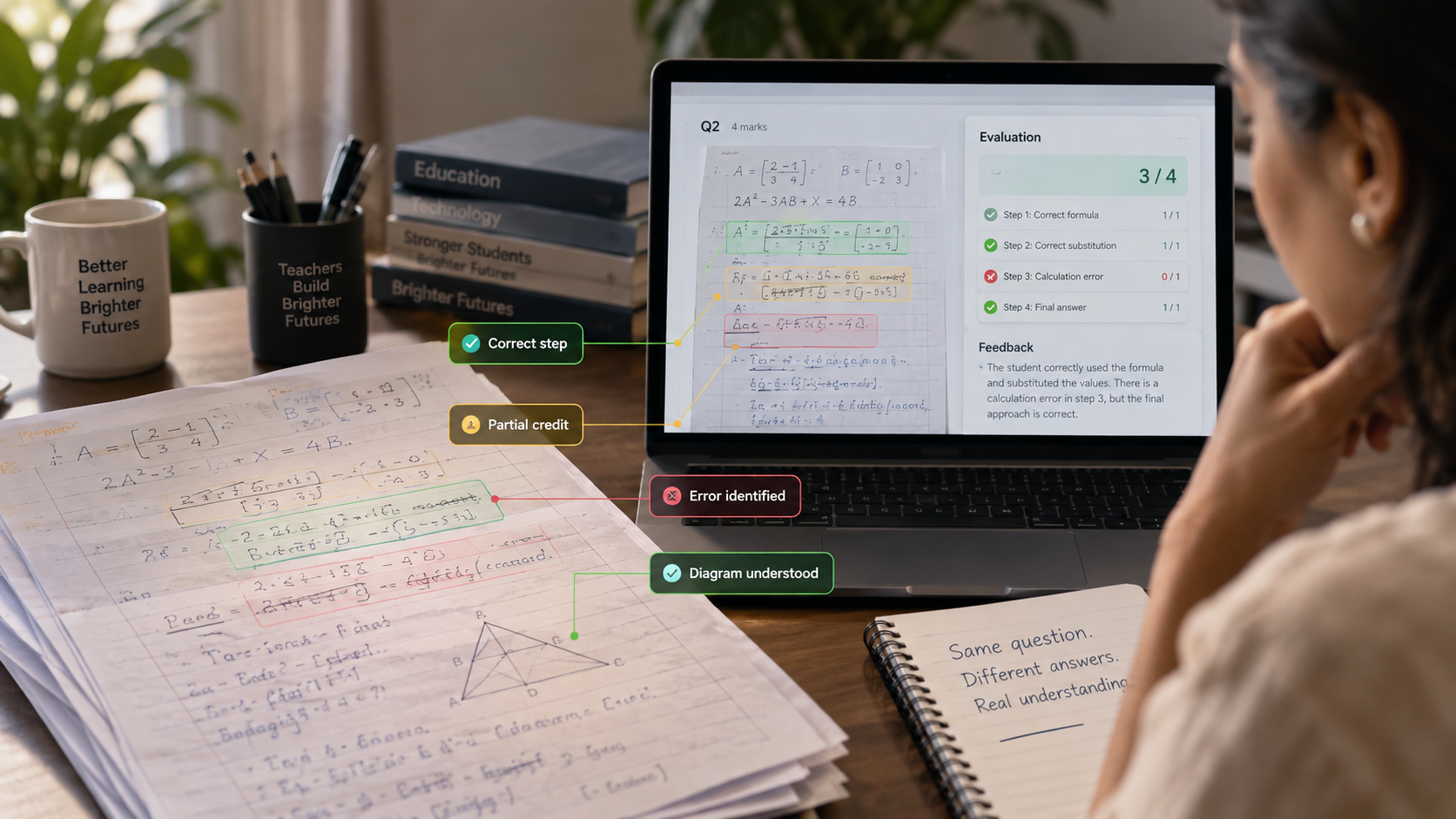
5. Handwriting Recognition: Since Indian board exams are handwritten, your tool should accurately read and evaluate handwritten answers, not just typed responses.
Categories of EdTech Tools
Learning Management Systems (LMS): Platforms for content delivery, assignment distribution, and communication. While useful, most LMS platforms don't address the core assessment challenge.
Assessment Platforms: Tools specifically designed for creating and evaluating assessments. These are most valuable for schools looking to reduce teacher workload while maintaining quality.
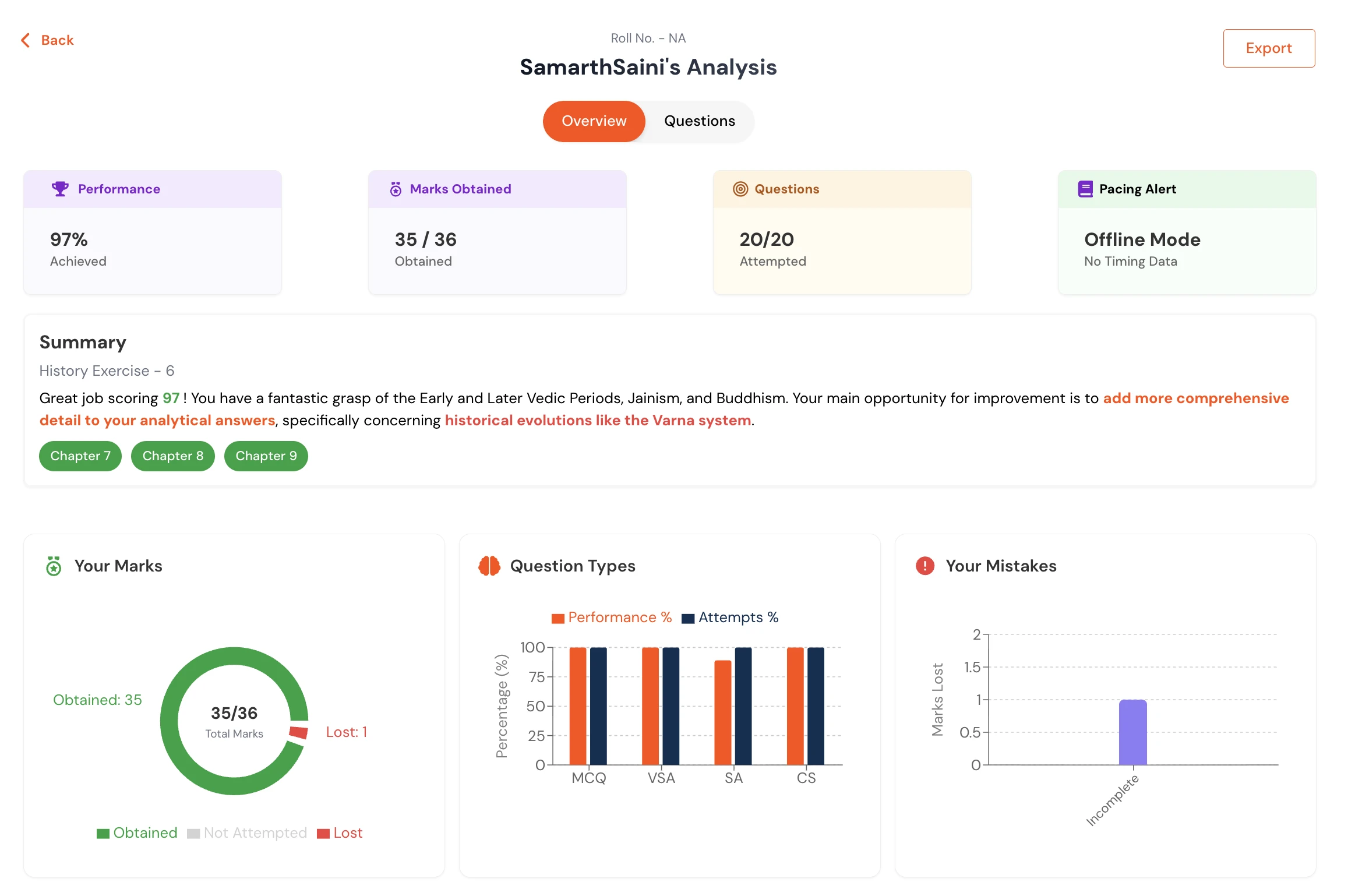
Analytics Dashboards: Systems that track student performance and provide insights. These work best when integrated with assessment tools.
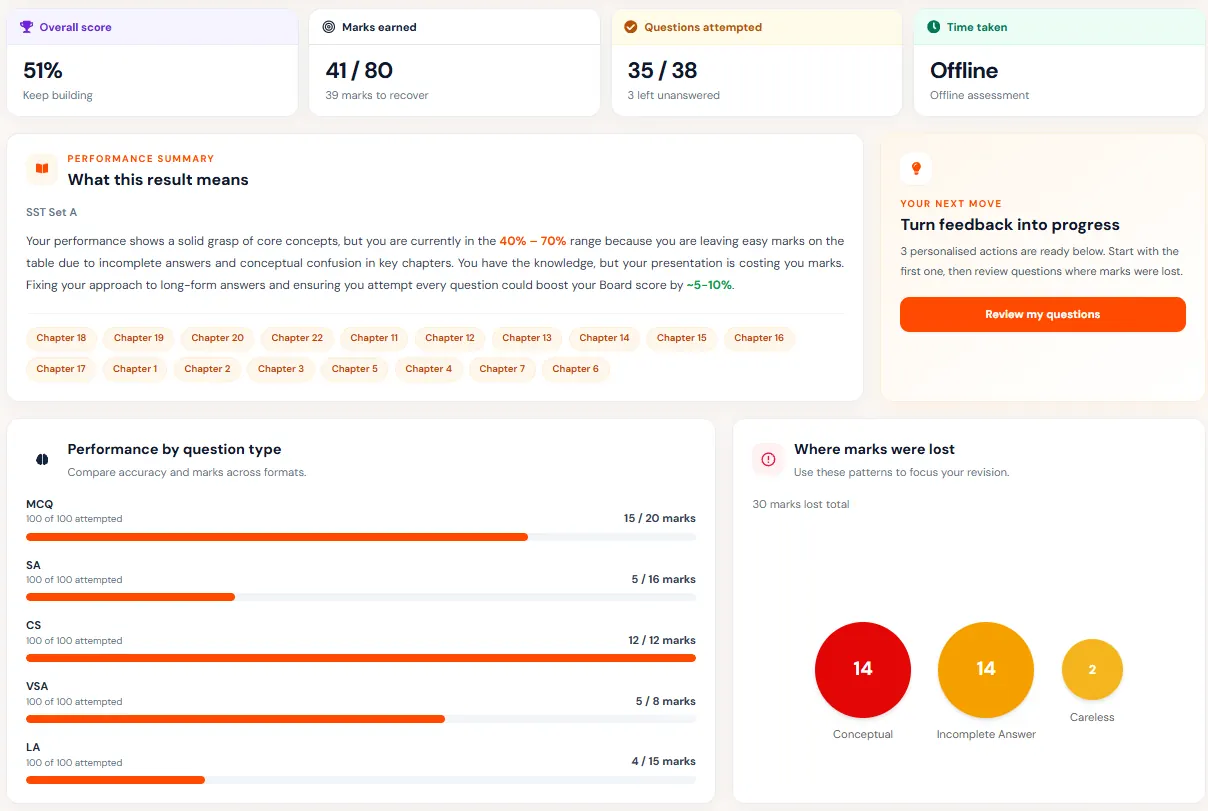
AI-Powered Solutions: The newest category, combining assessment creation, evaluation, and analytics with artificial intelligence. These offer the most potential for time savings and quality improvement.
Implementation Considerations
Teacher Training: Any new tool requires training. Look for solutions that offer comprehensive onboarding and ongoing support.
Integration: Consider how the tool fits into your existing workflow. Does it require students to have devices? Can teachers use it on their existing systems?
Cost Structure: Understand the pricing model. Is it per student, per teacher, or school-wide? Are there hidden costs for additional features?
Data Privacy: Ensure the tool complies with Indian data protection regulations and your school's privacy policies.
Success Stories from Indian Schools
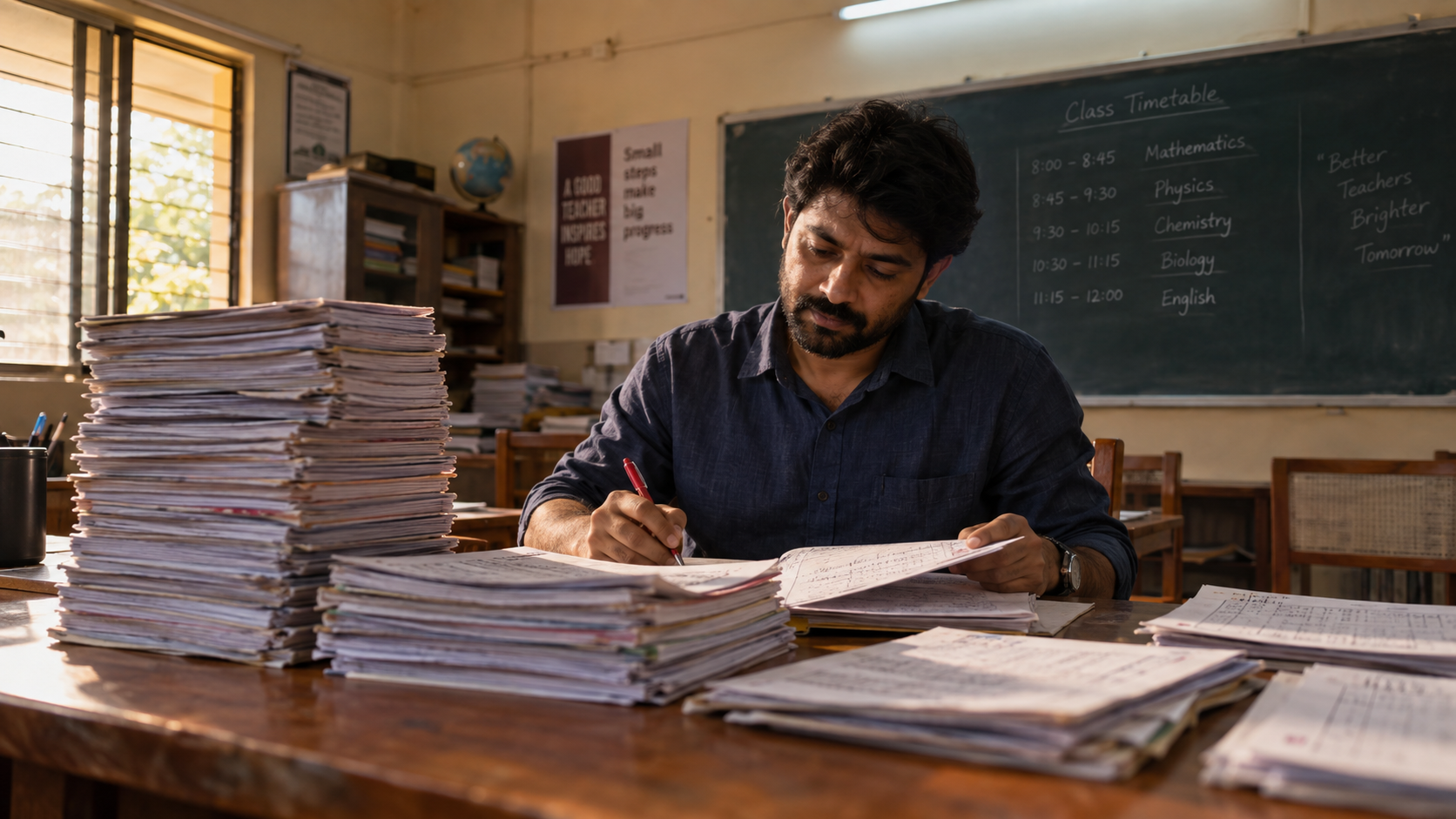
Schools across India are successfully implementing EdTech solutions. St. Andrew's World School, for example, piloted AI-powered assessment tools for ICSE classes, resulting in teachers saving 8-10 hours weekly while improving feedback quality.
The key to their success? Choosing tools built specifically for ICSE curriculum, ensuring proper teacher training, and starting with a pilot program before full-scale implementation.
Making the Right Choice
The best EdTech tool for your school depends on your specific needs, budget, and technical infrastructure. Start by identifying your biggest pain points: Is it worksheet creation? Answer checking? Progress tracking?
Then look for solutions that address those specific challenges while aligning with your curriculum. Don't be swayed by flashy features you won't use. Focus on tools that solve real problems for your teachers and students.
The Future of EdTech in Indian Schools
As more schools adopt digital tools, we're seeing a shift toward solutions that understand Indian education contexts. The future belongs to platforms that combine curriculum alignment, AI-powered assessment, and actionable analytics—all designed specifically for ICSE and CBSE schools.
The schools that succeed will be those that choose tools that fit their needs, invest in proper training, and view technology as a means to enhance teaching, not replace it.